
The clinical trial results for GLP-1 medications are genuinely remarkable. Patients losing 15, 20, sometimes more than 22 percent of their body weight. Blood sugar normalized. Blood pressure improved. Cardiovascular risk reduced. For patients across Ponte Vedra Beach and Jacksonville who have struggled with weight for years, the results are transformative. But any medication powerful enough to produce those outcomes is also powerful enough to produce meaningful side effects — and the patients who do best on GLP-1 therapy are the ones who understand what to expect before they start, not the ones who are surprised by nausea at week two and stop treatment prematurely. At BlueWater Wellness Center, we believe transparency about side effects is part of responsible prescribing. This guide gives you the complete, honest picture — what's common, what's manageable, what's rare and serious, and how we support patients through every phase of treatment.
The most common GLP-1 side effects are gastrointestinal — nausea, vomiting, diarrhea, and constipation — most pronounced during dose escalation and typically diminishing at stable doses. Rare but serious risks include pancreatitis, gallbladder disease, and thyroid concerns. Side effects are significantly reduced with slow dose escalation under medical supervision. BlueWater Wellness Center in Ponte Vedra Beach offers GLP-1 programs from $99/month with $100 off your first month, including full provider support throughout treatment.
Why GLP-1 Medications Cause Side Effects: The Mechanism
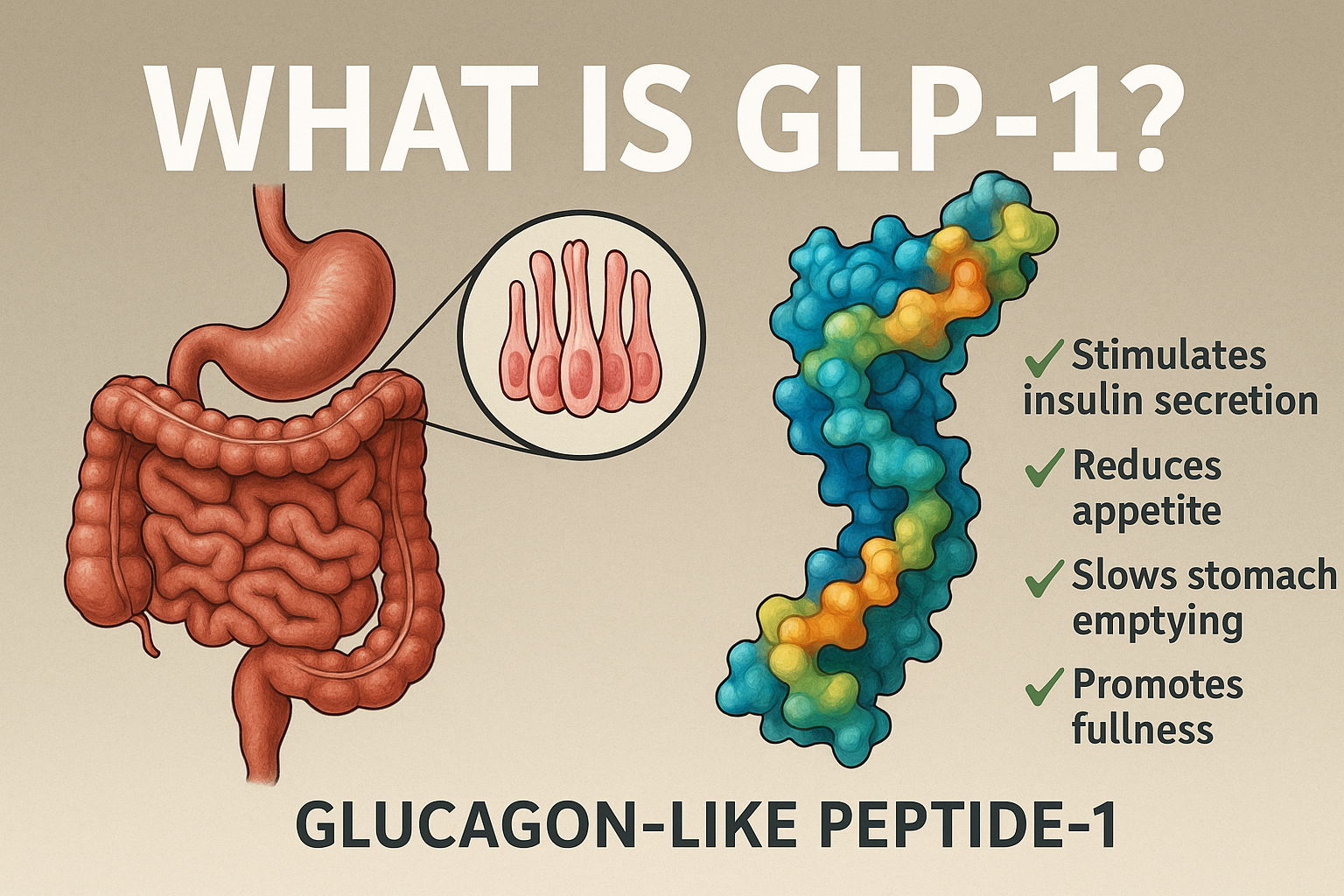
Understanding why GLP-1 medications cause the side effects they do makes them significantly easier to manage. GLP-1 receptors are not only found in the pancreas — they're distributed throughout the gut, the brain, the heart, and other organs. The same receptor activation that suppresses appetite and regulates blood sugar also slows gastric emptying, modulates gut motility, and affects the nausea centers in the brainstem.
When semaglutide or tirzepatide activates GLP-1 receptors in the gut, food moves through the stomach more slowly — creating the extended fullness that drives caloric reduction. But slowed gastric emptying also means the contents of the stomach sit longer, increasing the likelihood of nausea, reflux, and discomfort. In the lower gut, GLP-1 receptor activation affects intestinal motility in ways that can manifest as either diarrhea (in some patients) or constipation (in others) — sometimes alternating between both.
This is important context: these side effects are not aberrations or signs that something has gone wrong. They are the predictable, mechanistic consequences of the drug doing exactly what it's designed to do. For most patients, they are temporary, manageable, and resolve significantly once the body adapts to the medication.
The Common Side Effects: What Most Patients Experience
Nausea — The Most Reported GLP-1 Side Effect
Nausea is the single most commonly reported GLP-1 side effect, affecting a majority of patients to some degree — particularly during dose escalation phases. It typically presents as a persistent background queasiness rather than acute, severe nausea, and is most intense in the first 1–2 weeks at any new dose. For most patients, it diminishes substantially or resolves entirely once a stable dose is maintained.
Strategies that reliably reduce GLP-1 nausea:
- Eat smaller, more frequent meals rather than two or three large ones — smaller food volumes move through the slowed stomach more comfortably
- Avoid high-fat, greasy, or spicy foods during dose escalation phases — these are the hardest for a slowed stomach to process
- Eat slowly and stop at the first sign of fullness — GLP-1 medication amplifies satiety signals, and continuing to eat past them consistently triggers nausea
- Stay upright for 30–60 minutes after eating — lying down with a full, slow-emptying stomach significantly worsens nausea
- Ginger — tea, capsules, or chews; well-supported by evidence for pregnancy-related nausea and equally effective for drug-induced nausea
- Prescription anti-nausea medication — for patients with significant nausea, your provider can prescribe ondansetron or promethazine for use during the most challenging escalation phases
Vomiting
Vomiting occurs in a smaller percentage of patients and is almost always associated with eating too much, eating too quickly, or consuming high-fat foods — all of which overwhelm a stomach whose emptying rate has been significantly slowed. The most effective prevention is adherence to small, slow, low-fat meals. Patients who vomit repeatedly at a given dose should contact their provider about temporarily pausing escalation or returning to the previous dose.
Diarrhea
Loose stools or diarrhea affect a meaningful percentage of GLP-1 patients, particularly in the early weeks of treatment. GLP-1 receptor activation in the lower intestine affects transit time, and for some patients this manifests as looser, more frequent stools. This typically resolves within the first 4–8 weeks. Staying well-hydrated and reducing caffeine and artificial sweeteners during this period can help.
Constipation
Paradoxically, constipation is equally or more common than diarrhea in GLP-1 patients — reflecting the slowed motility throughout the entire GI system. For patients whose gut responds to slowed gastric emptying by also slowing intestinal transit, constipation can be uncomfortable and persistent. Management includes adequate daily fiber intake (25–35g), consistent hydration, gentle physical activity, and osmotic laxatives like MiraLax if needed.
Acid Reflux and Heartburn (GERD)
Slowed gastric emptying means stomach contents — including acid — sit longer and are more likely to reflux upward into the esophagus. Patients with existing GERD frequently notice worsening symptoms on GLP-1 therapy. Elevating the head of the bed, avoiding late-night eating, limiting caffeine and alcohol, and over-the-counter acid reducers (PPIs or H2 blockers) are effective management tools. Patients with significant GERD should discuss this with their provider before escalating dose.
Fatigue
Many patients report fatigue, particularly in the first several weeks of treatment. This is multifactorial — reduced caloric intake, the metabolic adjustment to a lower-carbohydrate dietary pattern as appetite decreases, and direct central nervous system effects of GLP-1 receptor activation in the brain all contribute. Ensuring adequate protein intake (which preserves energy and lean muscle mass), staying hydrated, and maintaining consistent sleep are the most effective countermeasures. Fatigue almost universally improves as the body adapts.
Injection Site Reactions
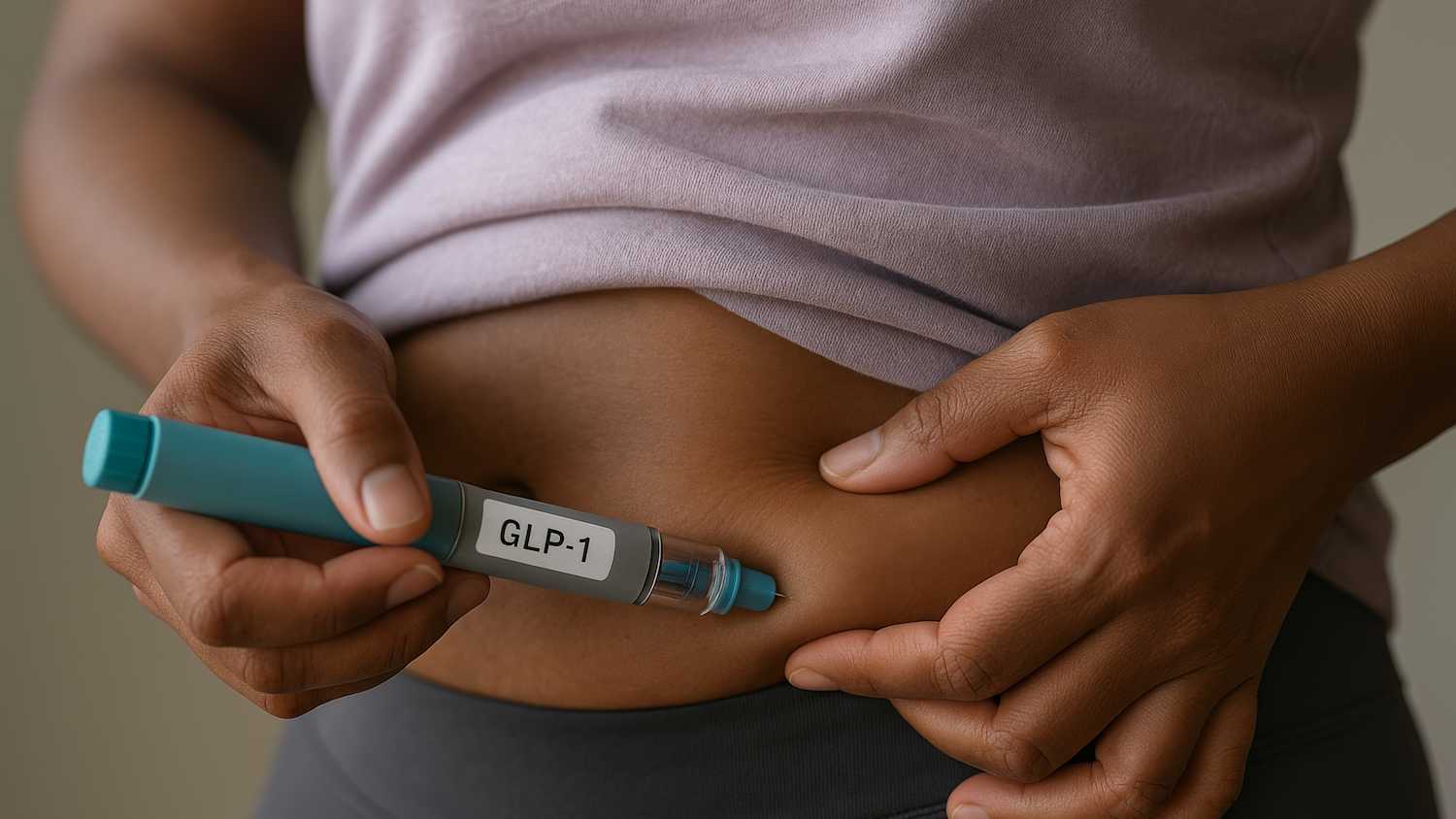
Redness, bruising, swelling, or mild itching at the injection site are common and generally minor. Rotating injection sites — abdomen, thigh, and upper arm — reduces the likelihood of persistent site reactions. Allowing the medication to reach room temperature before injecting and using a slow, consistent injection technique minimizes discomfort.
The Less-Discussed Side Effects: What Patients Are Often Not Warned About
"Ozempic Face" — Facial Volume Loss
Significant, rapid weight loss — particularly in patients losing 15–20% or more of body weight — frequently produces facial changes that patients don't anticipate and aren't always warned about. As the body mobilizes fat stores, facial fat is lost alongside visceral and subcutaneous body fat, producing a gaunt, hollowed, or prematurely aged appearance. The cheeks deflate, the temples become more prominent, the undereye area develops a hollow, and the jawline can look less defined as the supporting fat pad thins.
This has been colloquially dubbed "Ozempic face" in the media, though it is not specific to Ozempic — it occurs with any rapid, significant weight loss. It is not a reason to avoid GLP-1 therapy; the cardiovascular and metabolic benefits of meaningful weight loss far outweigh cosmetic concerns. But it is a side effect worth planning for.
At BlueWater Wellness Center, we address GLP-1-related facial volume loss with:
- Sculptra — a biostimulatory filler that rebuilds collagen and restores gradual, natural-looking facial volume over 3–6 months
- Hyperdilute Radiesse — collagen stimulation for skin laxity in the face and neck
- Hyaluronic acid fillers — for targeted volume restoration in specific areas like the cheeks, temples, and undereye
Muscle Mass Loss
GLP-1 medications drive weight loss through caloric restriction — but calories restricted without adequate protein intake and resistance training means the body draws on both fat and lean muscle mass for energy. Studies suggest that up to 25–40% of weight lost on GLP-1 medications can come from lean tissue rather than fat alone in patients who don't actively work to preserve muscle.
Prevention is straightforward but requires intentionality: target at least 0.7–1.0 grams of protein per pound of goal body weight daily, and incorporate resistance training 3–4 times per week throughout the treatment period. Patients who do this consistently preserve significantly more lean mass and end up with better body composition outcomes — not just lower scale weight. We also offer Sermorelin peptide therapy as a complement to GLP-1 programs for patients who want additional support for lean mass preservation and body composition.
Hair Thinning (Telogen Effluvium)
A significant percentage of GLP-1 patients notice increased hair shedding approximately 2–4 months after starting treatment. This is not caused by the medication itself but by the physiological stress of rapid caloric restriction and weight loss — a well-documented phenomenon called telogen effluvium that occurs with any significant caloric deficit. The hair follicle cycle is disrupted by metabolic stress, pushing more follicles into the shedding phase simultaneously.
Telogen effluvium from GLP-1 therapy is almost always temporary and reversible — shedding typically peaks and then resolves within 3–6 months as the body adapts to its new weight. Adequate protein intake (the most important factor), biotin supplementation, and gentle hair care during the vulnerable period are the primary management strategies.
Reduced Appetite Beyond Desired Levels
For some patients — particularly at higher doses — appetite suppression becomes so profound that eating adequate amounts of food for basic nutrition becomes genuinely difficult. This can lead to nutritional deficiencies, inadequate protein intake, muscle loss, and fatigue. The solution is almost always dose reduction to a level where appetite is meaningfully suppressed but nutritional adequacy is maintained. This is one of the reasons medical supervision throughout GLP-1 treatment is essential — finding the right dose for each patient requires ongoing monitoring and adjustment.
At BlueWater Wellness Center in Ponte Vedra Beach, every GLP-1 patient receives ongoing provider support designed to minimize side effects and maximize results. Programs start at $99/month with $100 off your first month. Serving Jacksonville, Nocatee, St. Augustine & all of St. Johns County.
Rare but Serious Side Effects: What to Watch For
The side effects covered above are common and manageable. The following are uncommon — but important enough that every patient should know the warning signs and understand when to contact their provider immediately.
Pancreatitis
GLP-1 medications carry a small but real risk of acute pancreatitis — inflammation of the pancreas. The warning signs are severe, persistent abdominal pain that may radiate to the back, often accompanied by nausea and vomiting. Pancreatitis is a medical emergency: if you experience these symptoms, stop the medication and seek immediate medical attention. Patients with a personal or family history of pancreatitis should discuss this risk carefully with their provider before starting GLP-1 therapy.
Gallbladder Disease
Rapid weight loss — regardless of the cause — significantly increases the risk of gallstone formation. GLP-1 medications also directly affect gallbladder motility. Clinical trials have shown a modestly elevated incidence of cholelithiasis (gallstones) and cholecystitis (gallbladder inflammation) in GLP-1 users compared to placebo. Symptoms include upper right abdominal pain (often after eating), nausea, and fever. Patients with known gallbladder disease should discuss this risk with their provider.
Thyroid Concerns
Animal studies found an association between GLP-1 medications and medullary thyroid carcinoma (MTC) — a rare form of thyroid cancer. As a result, GLP-1 medications carry a black box warning and are contraindicated in patients with a personal or family history of MTC or Multiple Endocrine Neoplasia syndrome type 2 (MEN 2). Human studies have not demonstrated a clear causal link at therapeutic doses, but the contraindication is taken seriously and factored into every patient evaluation at BlueWater Wellness Center.
Diabetic Retinopathy Worsening
In patients with pre-existing diabetic retinopathy, rapid improvement in blood sugar control — as frequently occurs on GLP-1 medications in diabetic patients — can paradoxically cause a temporary worsening of retinopathy. This is a recognized phenomenon with any rapid glycemic improvement and is not unique to GLP-1 therapy. Diabetic patients with known retinopathy should have an ophthalmology evaluation before starting and undergo monitoring during treatment.
Severe Hypoglycemia
GLP-1 medications alone have a very low risk of hypoglycemia because they stimulate insulin secretion in a glucose-dependent manner — they don't trigger insulin release when blood sugar is already low. However, patients who are also taking insulin or sulfonylurea medications face meaningfully elevated hypoglycemia risk when adding a GLP-1. Dose adjustment of other diabetes medications is often required when starting a GLP-1, and any patient on multiple glucose-lowering agents needs careful coordination with their prescribing provider.

Side Effects by Medication: Semaglutide vs. Tirzepatide
| Side Effect | Semaglutide | Tirzepatide | Notes |
|---|---|---|---|
| Nausea | Very common | Very common | Tirzepatide may be slightly higher at equivalent doses |
| Vomiting | Common | Common | Similar between medications |
| Diarrhea | Common | Common | Similar between medications |
| Constipation | Common | Common | Often more prominent than diarrhea |
| Acid reflux | Common | Common | Driven by slowed gastric emptying in both |
| Fatigue | Occasional | Occasional | Usually resolves within weeks |
| Ozempic face | Yes (significant weight loss) | Yes (significant weight loss) | More pronounced with greater % weight loss |
| Muscle loss | Risk without protein/exercise | Risk without protein/exercise | Prevention same for both |
| Hair thinning | Possible (telogen effluvium) | Possible (telogen effluvium) | Temporary; nutritional cause |
| Pancreatitis | Rare | Rare | Black box warning both |
| Gallbladder disease | Slightly elevated risk | Slightly elevated risk | Associated with rapid weight loss |
How BlueWater Wellness Minimizes Side Effects for Ponte Vedra Patients
The difference between a GLP-1 program that patients abandon at week four due to side effects and one they complete successfully is almost entirely a function of how the program is structured and monitored. Here's how we approach this at BlueWater Wellness Center:
Slow, Supervised Dose Escalation
We never escalate dose faster than the patient tolerates. The standard escalation schedules for semaglutide and tirzepatide are guidelines — not mandates. Patients who are struggling at a given dose stay at that dose until they are comfortable before advancing. This single protocol adjustment is responsible for the majority of GI side effect reduction compared to programs that follow aggressive escalation schedules.
Proactive Dietary Guidance
Every patient receives specific dietary guidance tailored to managing GLP-1 side effects — what to eat, when to eat it, portion sizes appropriate for a slowed stomach, and protein targets that protect lean muscle mass. Patients who follow this guidance consistently report far fewer and less severe side effects than those eating without adjustment.
Ongoing Provider Access
When a patient is struggling with side effects, the last thing they should face is difficulty reaching their provider. At BlueWater Wellness Center, our patients have direct access to provider support throughout their program. Side effect management — whether that means dose adjustment, prescription anti-nausea medication, or switching between semaglutide and tirzepatide — happens promptly and proactively.
Complementary Aesthetic and Wellness Support
For the side effects that can't be managed with dietary adjustment alone — Ozempic face, muscle mass loss, hair thinning — we offer the aesthetic and wellness treatments that address them directly. GLP-1 programs at BlueWater are not just weight loss programs; they're comprehensive wellness programs that account for the full range of changes significant weight loss produces in the body.
Frequently Asked Questions: GLP-1 Side Effects in Ponte Vedra
What are the most common GLP-1 side effects?
The most common side effects are gastrointestinal: nausea, vomiting, diarrhea, constipation, and acid reflux. These are most pronounced during dose escalation and in the first 4–8 weeks of treatment at any new dose. For the majority of patients, they diminish significantly or resolve entirely once a stable maintenance dose is reached.
How long does GLP-1 nausea last?
Nausea is typically most intense in the first 1–2 weeks at each new dose and then diminishes as the body adapts. Most patients find that by the time they've been at a stable dose for 4–6 weeks, nausea is minimal or absent. Patients who experience persistent nausea at a given dose can work with their provider to extend the time at that dose before escalating.
What is Ozempic face and how is it treated?
Ozempic face is the informal term for facial volume loss that occurs with significant GLP-1-driven weight loss. As body fat decreases, facial fat is also lost, producing a gaunt or prematurely aged appearance — particularly in the cheeks, temples, and under-eye area. At BlueWater Wellness Center, it's treated with Sculptra, hyperdilute Radiesse, or hyaluronic acid fillers depending on the specific areas of concern and the degree of volume loss.
Can I prevent muscle loss on GLP-1 medications?
Yes — with adequate protein intake and resistance training. Target 0.7–1.0 grams of protein per pound of goal body weight daily, and incorporate 3–4 resistance training sessions per week throughout your treatment. Patients who follow these guidelines consistently preserve significantly more lean mass and achieve better body composition outcomes than those who don't. Sermorelin peptide therapy is also an effective complement for lean mass preservation.
When should I contact my provider about a GLP-1 side effect?
Contact your provider promptly for: nausea or vomiting severe enough to prevent adequate hydration, significant abdominal pain (especially if it radiates to the back), signs of gallbladder problems (upper right abdominal pain after eating), any vision changes, or symptoms you're uncertain about. For emergency warning signs like severe abdominal pain, difficulty breathing, or signs of allergic reaction — seek emergency care immediately.
Do GLP-1 side effects go away?
For most patients, yes — the common GI side effects are temporary and diminish significantly over the first 4–8 weeks at any given dose. The body adapts to the medication's effects on gastric motility and central appetite regulation. Patients who experience persistent or intolerable side effects should work with their provider to adjust their dose or switch medications rather than stopping therapy abruptly.
Knowledge about side effects before you start is the foundation of a successful GLP-1 program. Book your weight loss consultation at BlueWater Wellness Center in Ponte Vedra Beach, FL. Programs from $99/month — $100 off your first month. Semaglutide and tirzepatide available, medically supervised. Serving Ponte Vedra Beach, Jacksonville, Nocatee & all of St. Johns County.